Sylvia Ngige Where women’s power meets real life
By Sylvia Tochukwu-Ngige [www.sylviangige.com]
Awka woke up on Tuesday, September 22, 2026, to a frightening reminder that the rain can quickly turn from a blessing into a threat. After hours of heavy rainfall, parts of the Anambra State capital were overwhelmed by flash floods, leaving motorists stranded, residents anxious and schoolchildren trapped in rising water.
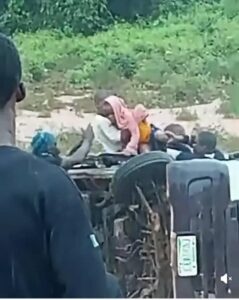
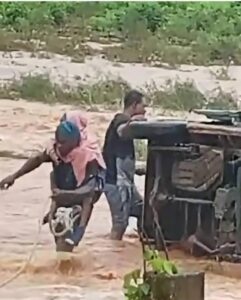
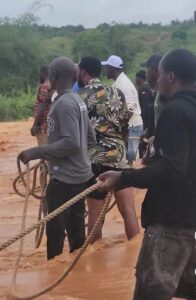
One of the most disturbing incidents occurred around the Nibo-Isiagu/Ring Road axis, where a school bus became trapped in the flood. Emergency responders and community members rushed to the scene. According to the Anambra State Government, six schoolchildren and a shuttle driver were rescued during the initial operation, while the police later confirmed that seven children and two adults had been rescued. One pupil was still missing as search operations continued.
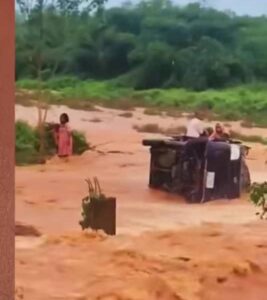
The rescued children were taken for medical attention, while emergency agencies continued searching for the missing child who was later discovered the next day. For parents, this was more than another rainy-season story. It was a terrifying reminder of how quickly an ordinary school journey can become a life-threatening situation.
When Roads Become Rivers
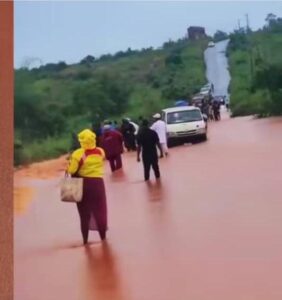
The flooding did not only affect schoolchildren. Movement was disrupted in affected parts of Awka as floodwaters covered roads and made some routes dangerous for both motorists and pedestrians. Videos and photographs from the affected areas showed vehicles struggling through the water and people attempting to escape flooded sections. A building was also reported to have collapsed at Aguoye Village following the heavy rainfall.
The latest incident comes barely two weeks after another deadly flooding incident in Awka South, where a tricycle operator reportedly lost his life while attempting to rescue a woman trapped in floodwaters. The woman was also reported missing at the time. qaaàThese incidents should no longer be treated as isolated events. They point to a recurring urban problem that requires a coordinated and sustained response.
The Real Cost of Awka’s Flooding
Every major flood carries a bill. For traders, it can mean damaged goods. For motorists, damaged vehicles and hours trapped in traffic. For families, destroyed household property. For schools, disrupted learning and frightened children.
For businesses, lost working hours and damaged equipment. And, most painfully, for families, flooding can mean the loss of a loved one. The danger becomes even greater when floodwaters rise around schools, markets, residential areas and busy roads. The September 22 incident therefore deserves to be viewed not simply as a natural disaster but as a warning about Awka’s preparedness for increasingly intense rainfall.
Why Does Awka Keep Flooding?
Heavy rainfall is an important trigger, but rain alone does not explain every flood. Blocked drainage channels, inadequate drainage capacity, poor maintenance, indiscriminate dumping of refuse and construction that interferes with natural water channels can all worsen the situation.
The problem has been recognised beyond Tuesday’s incident. In an earlier assessment of flooding in Anambra, State emergency officials identified blocked drainage channels and poorly terminated waterways among factors contributing to flooding.
Awka also sits within a wider area identified as vulnerable to flooding. A 2026 flood-risk report identified the Awka urban drainage corridors among vulnerable areas in Anambra. That means the solution cannot be to wait for another downpour and then begin rescue operations.
What Should Be Done?
1. Map Awka’s flood hotspots
Government agencies should produce and regularly update a detailed flood-risk map showing roads, schools, estates, markets and communities most vulnerable to flash flooding. Such mapping should guide development approvals and emergency planning.
2. Audit and redesign drainage channels
Some existing drainage systems may simply be too small for the volume and speed of stormwater generated during intense rainfall. A technical drainage audit should identify undersized channels, blocked waterways, missing culverts and dangerous drainage crossings. Where necessary, drainage capacity should be expanded.
3. Clear waterways before the rain
Drainage cleaning should not begin only after flooding occurs. Critical drainage corridors should be inspected and cleared routinely, especially before and during the peak rainy season. Residents must also stop turning drainage channels into refuse dumps.
4. Protect schoolchildren
Schools located around flood-prone corridors should have specific emergency plans. School buses should not enter flooded roads. Teachers and drivers should have clear instructions on when to stop movement, while parents should receive timely alerts when routes become unsafe. The police have similarly advised parents, guardians, schools and motorists to exercise extreme caution around flooded roads and waterways.
5. Create rapid flood-warning systems
Residents should not have to discover that a road is dangerous only after entering it. Government can combine weather forecasts, local rainfall monitoring, community WhatsApp groups, radio announcements, social media alerts and emergency hotlines to warn residents before floodwaters become dangerous.
6. Enforce planning regulations
Buildings and structures should not obstruct natural drainage paths or access roads. Development approval must be backed by effective enforcement, particularly in locations where construction could worsen flooding for surrounding communities.
7. Build stronger community response teams
Government cannot be everywhere at once. Neighbourhood emergency teams can be trained to report rising water levels, identify vulnerable residents, assist with early evacuation and immediately alert emergency agencies. But residents must never put themselves in danger by entering fast-moving floodwater to rescue others without proper equipment and training.
Awka Needs Prevention, Not Just Rescue
The swift intervention of emergency agencies and community members on Tuesday helped save lives. But rescue operations should be the last line of defence—not the first. An effective flood-management system begins long before the rain falls: with drainage planning, environmental sanitation, enforcement, early warnings, emergency preparedness and responsible urban development.
The Anambra State Government has already urged residents to take flood warnings seriously, avoid unnecessary movement during heavy rainfall and relocate from flood-prone areas where necessary. Residents also have responsibilities:
Do not dump refuse into drains. Do not attempt to cross moving floodwater. Do not allow children to play around flooded channels. Do not drive into water when you cannot determine its depth. And when authorities issue a warning, take it seriously.
Sylvia’s Take
Awka cannot afford to normalise flooding. When children are trapped in school buses, when roads become rivers and when buildings collapse after heavy rain, the conversation must move beyond who is to blame.
The question should be: what can we do differently before the next storm? Awka is growing rapidly. Its infrastructure must grow with it. The city needs drainage systems designed for today’s realities, strict development control, cleaner waterways, better emergency communication and citizens who understand that keeping drains free is not only government’s responsibility. Tuesday’s flood has delivered another warning. The wise response is not to wait for the next one.
Sylvia Tochukwu-Ngige Founder https //:sylviangige.com | Where women’s power meets real life