
By Sylvia Tochukwu-Ngige []
August 26, 2026, will remain etched in Nepal’s history as a day of unimaginable destruction.
A devastating flash flood unleashed by a collapse in the high Himalayas has ripped through communities along the Nepal-Tibet border, leaving a trail of death, destruction and despair.
Water, mud, ice and massive rocks came rushing down the mountains with terrifying force, sweeping away homes, businesses, roads, bridges and vital infrastructure. Hundreds of people have reportedly lost their lives, while thousands remain missing as desperate rescue operations continue.
The tragedy has affected both Nepal and China’s Tibet Autonomous Region, with families anxiously searching for loved ones and communities struggling to access food, clean water, healthcare and shelter.


A Mountain Disaster Turns Deadly
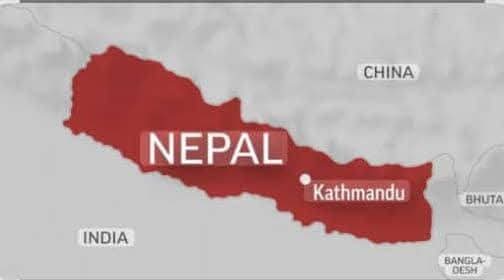
Nepal, a landlocked South Asian nation bordered by China to the north and India to the south, east and west, is famous for its breathtaking Himalayan landscape. It is home to eight of the world’s 10 highest mountains, including Mount Everest.
But the same mountains that attract tourists, climbers and adventurers have now become the scene of one of the region’s most devastating natural disasters in recent years.
A collapse of ice and rock in the high Himalayas triggered a powerful surge through the Lhende Khola and Bhote Koshi river systems before the floodwaters moved downstream towards the Trishuli River.
The force of the water was enormous. Entire sections of communities were swallowed within minutes, leaving behind twisted metal, piles of debris and devastated landscapes.
Death Toll Rises As Families Search
The death toll has continued to rise as rescuers recover bodies from rivers and beneath tonnes of debris. The combined number of deaths reported in Nepal and Tibet has climbed into the hundreds, while thousands of people remain unaccounted for. Among those affected are local residents, workers, tourists and people connected to hydropower projects in the region.
The identification of victims has also become a major challenge. With communications disrupted and communities destroyed, many families are still waiting desperately for information about their relatives.
Authorities are using forensic procedures, including DNA identification, to help establish the identities of victims.
Towns And Trade Routes Swept Away
Rasuwa district has suffered some of the worst destruction, particularly around Rasuwagadhi, Timure and Syabrubesi. These communities are important centres for trade and movement between Nepal and Tibet. The destruction of roads, bridges and border infrastructure has therefore created consequences far beyond the immediate loss of lives. Downstream areas, including parts of Nuwakot and Dhading, have also been badly affected. For many residents, the disaster has destroyed not only their homes but their livelihoods.

Electricity And Infrastructure Hit
The floods have also inflicted serious damage on Nepal’s infrastructure. Hydropower facilities, electricity infrastructure, roads and bridges have been damaged or destroyed, affecting electricity generation and making transportation extremely difficult. Schools and healthcare facilities have also been affected, while some communities have been cut off from emergency assistance. For a country that relies heavily on hydropower, tourism, agriculture and trade, rebuilding the affected infrastructure could take considerable time and resources.
Rescuers Race Against Time
The Nepal Army, Nepal Police and other emergency responders are continuing search-and-rescue operations. Helicopters have been deployed where roads are inaccessible, while rescue teams on the ground are searching through debris and along dangerous river channels.
But the operation is extremely difficult.
Destroyed roads, unstable mountain slopes, swollen rivers and the possibility of further flooding continue to threaten both survivors and rescuers. Every hour matters for people who may still be trapped or stranded.
The Threat Is Not Over
Perhaps the most frightening part of the disaster is that the danger has not completely disappeared. Mountainous areas affected by glacial collapse can remain unstable, while debris and water can create dangerous blockages capable of producing additional flooding.
Residents living close to vulnerable river channels have therefore been urged to remain alert and move to higher ground when authorities issue warnings.
Children Among The Most Vulnerable
Beyond the immediate death toll lies another humanitarian emergency. Thousands of survivors now need food, clean drinking water, medicines, temporary shelter and psychological support.
Children are particularly vulnerable when schools, hospitals, roads and communication systems are disrupted. Aid agencies and authorities face the difficult task of protecting displaced families from disease, hunger, exploitation and other dangers that often follow major disasters.
A Warning From The Himalayas
The disaster has also renewed attention on the growing risks associated with a warming Himalayan environment. Scientists have warned that rising temperatures can contribute to changes in glaciers, snow and high-altitude landscapes, increasing the vulnerability of communities living downstream.
While investigations are still needed to determine the exact chain of events behind this particular disaster, the devastation highlights the urgent need for better early-warning systems, disaster preparedness and climate adaptation across vulnerable mountain communities.
What Happens Now?
For families waiting for missing relatives, the search continues. For survivors, the struggle has shifted from escaping the flood to rebuilding their lives. Nepal now faces the enormous task of recovering bodies, finding missing people, restoring roads and electricity, rebuilding homes and businesses, and supporting communities whose livelihoods have been destroyed.
The international community also has an important role to play in supporting humanitarian relief and long-term recovery.
The Nepal-Tibet tragedy is more than a story about a natural disaster. It is a story about families torn apart, communities erased and survivors forced to begin again. And as the search continues, one question remains painfully urgent: How many more lives can still be saved?
——–
Sylvia’s Take
Disasters like this remind us that nature does not recognise borders, wealth or social status. In a matter of minutes, homes can disappear, families can be separated and years of hard work can be washed away.
For the people of Nepal and Tibet, the priority now must be human life. Rescue must come first, relief must reach the affected communities quickly, and survivors must not be forgotten after the cameras leave.
But there is also a bigger lesson for every country, including Nigeria: disaster preparedness is not something we should think about only after tragedy strikes. Early-warning systems, emergency planning, resilient infrastructure and community education can save lives.
Our hearts are with the victims, the missing, the rescuers and every family struggling to cope with this heartbreaking Himalayan tragedy.
Sylvia Tochukwu-Ngige Founder, https.//:| .
Reuters – Latest rescue and casualty updates
Reuters: Rescuers battle floods and debris as Himalayan disaster death toll nears 800�
US Geological Survey – Scientific explanation of the disaster
USGS: 2026 Nepal Debris Avalanche and Flash Flood�
UNICEF – Humanitarian impact on children
UNICEF: Flash floods in Nepal leave more than 17,000 children in need�